Designer · Researcher · Educator
Javier
de Urquijo
Isoard
Design research and practice
for more-than-human futures.
I work within the spaces where materials, ecology, and making meet — bringing a transdisciplinary sensibility to design practice and research that takes seriously what happens after the object. PhD, RMIT University.
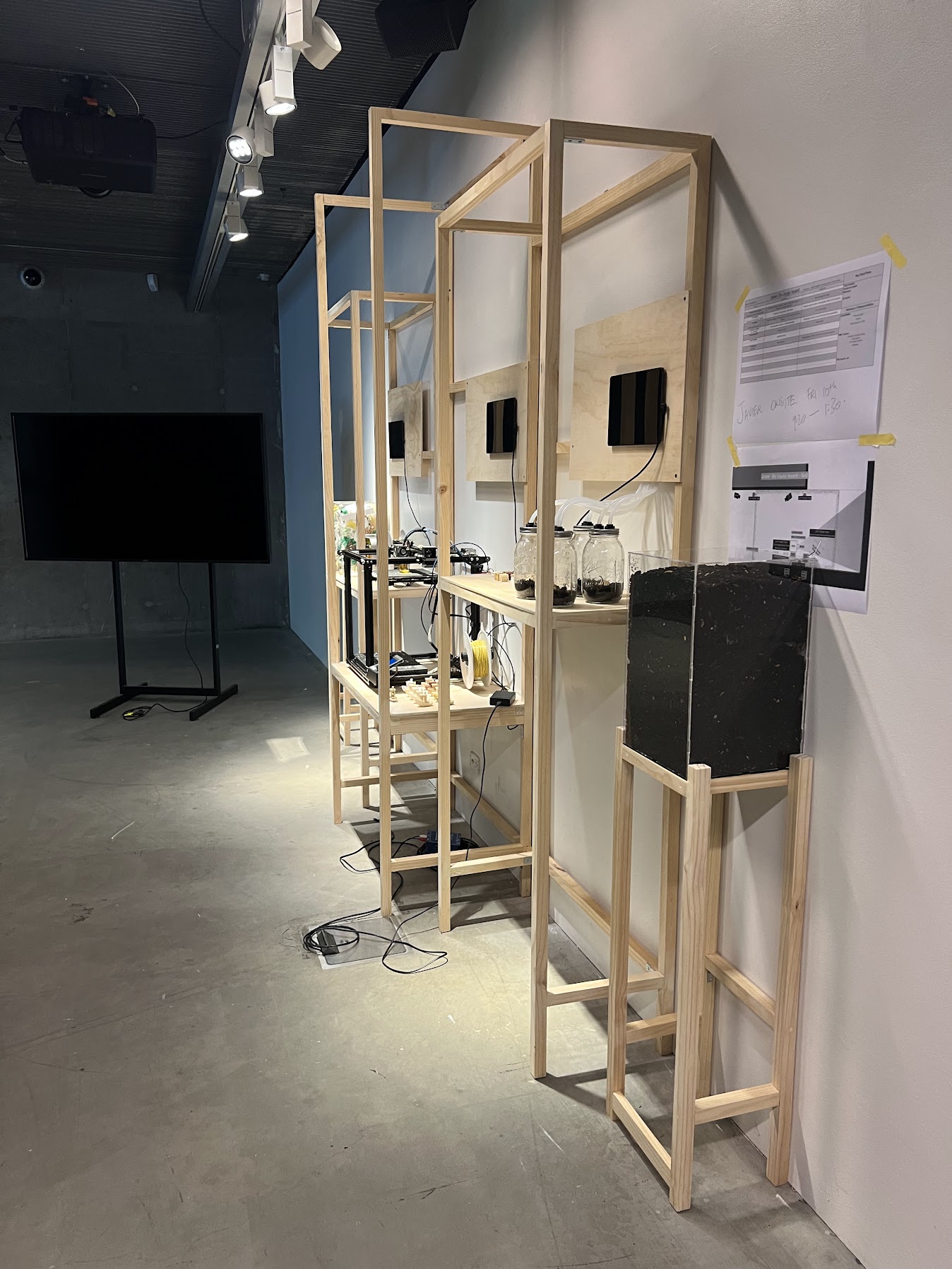 Decayability — PhD Exhibition, 2025
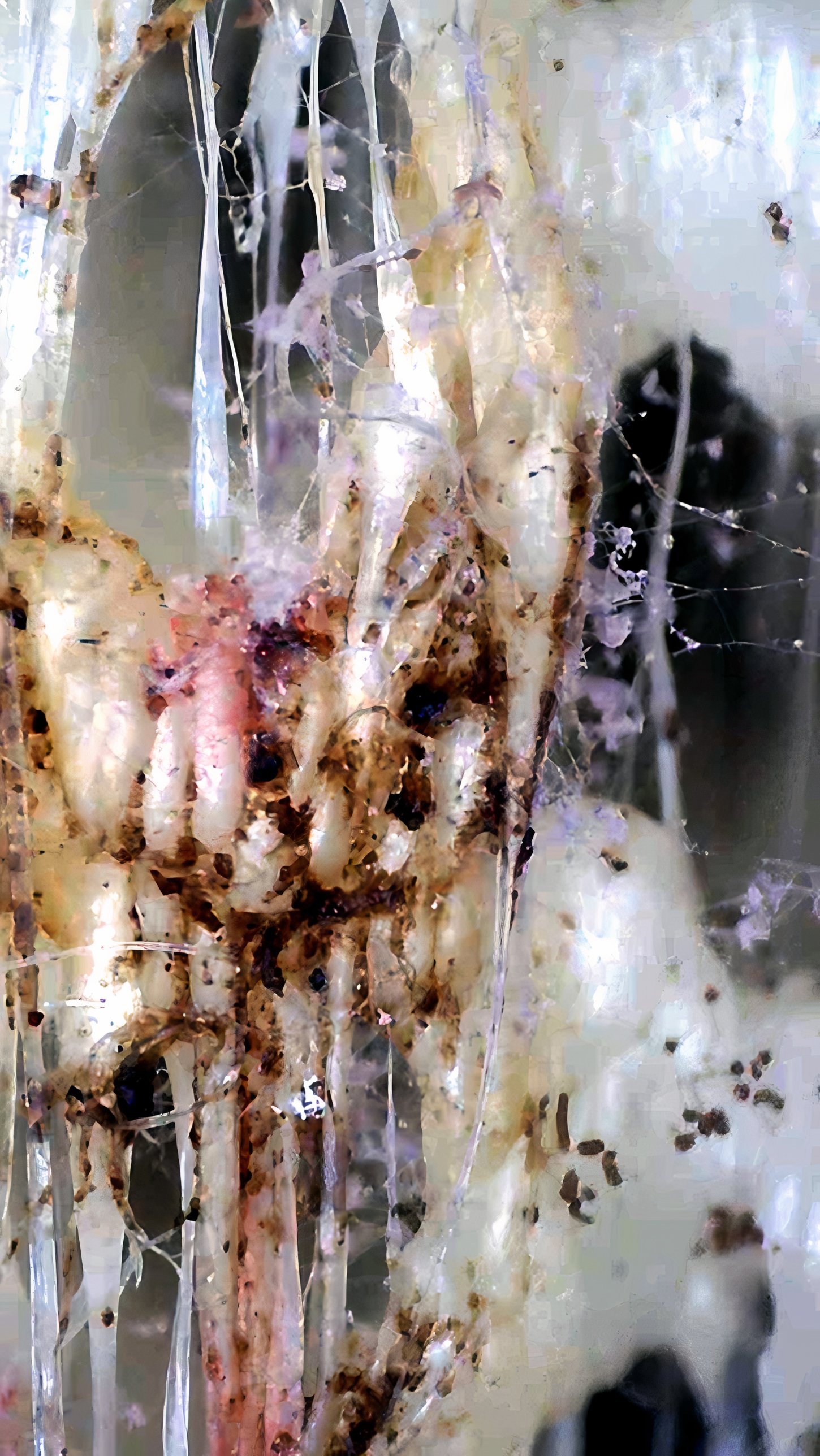 Soil Matters, MDW 2024
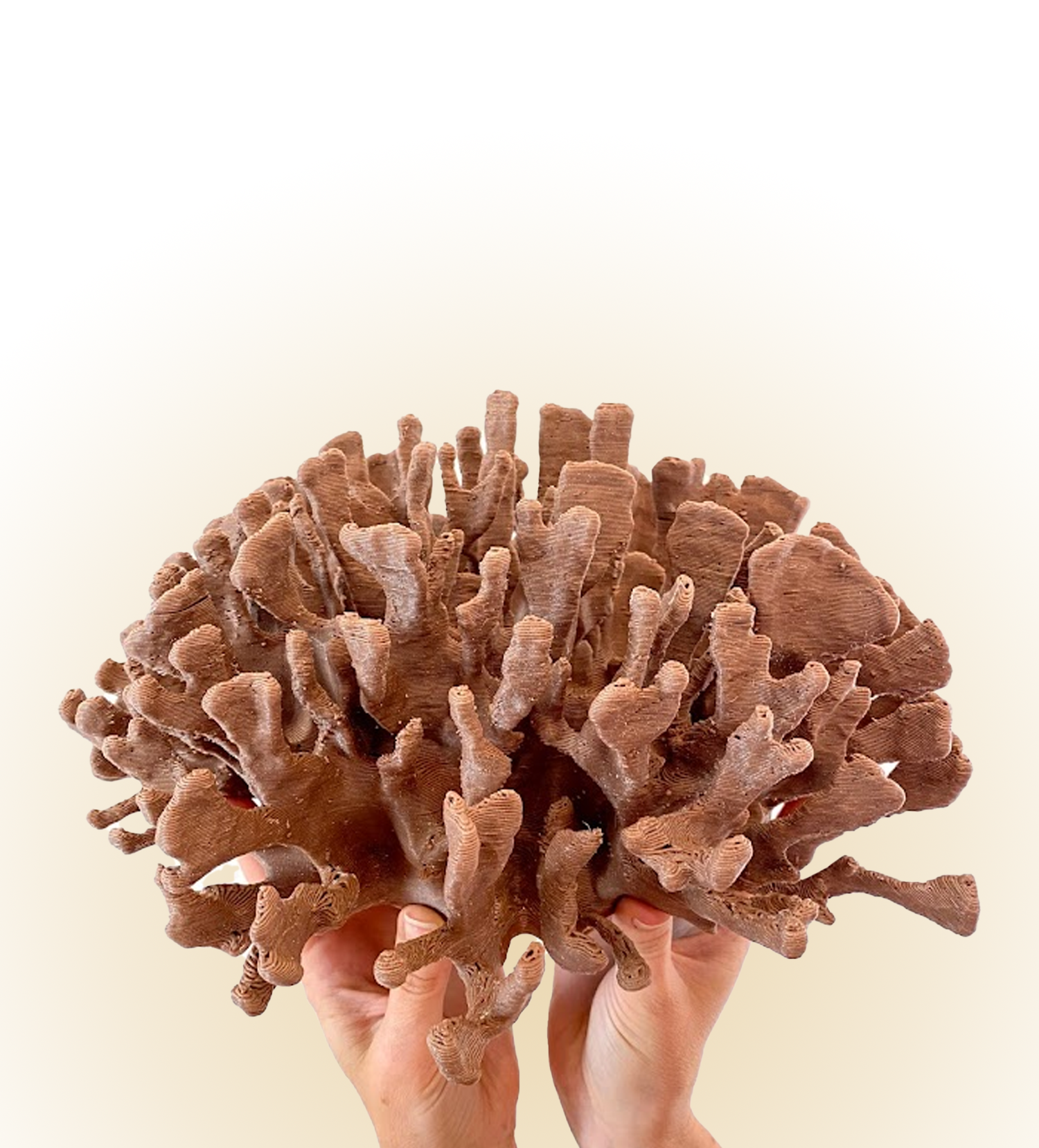 Urchin Corals, NGV Triennial
Peer-reviewed papers, conference proceedings, and research outputs.
Beyond Human Perception: Designing Nonhuman Material Affordances for Ecological Reintegration
Introduces decayability as a novel material affordance extending Gibson's affordance theory beyond human perception. Through compost respiration analysis of PLA/PHBV filament blends, demonstrates that microbial engagement depends on material composition and environmental context — reframing biodegradability as an active ecological relationship rather than an intrinsic material property.
Read paper ↗Bridging Soil Science and Industrial Design in Urban Ecosystems: A Study on Home-Compostable 3D Printing Materials
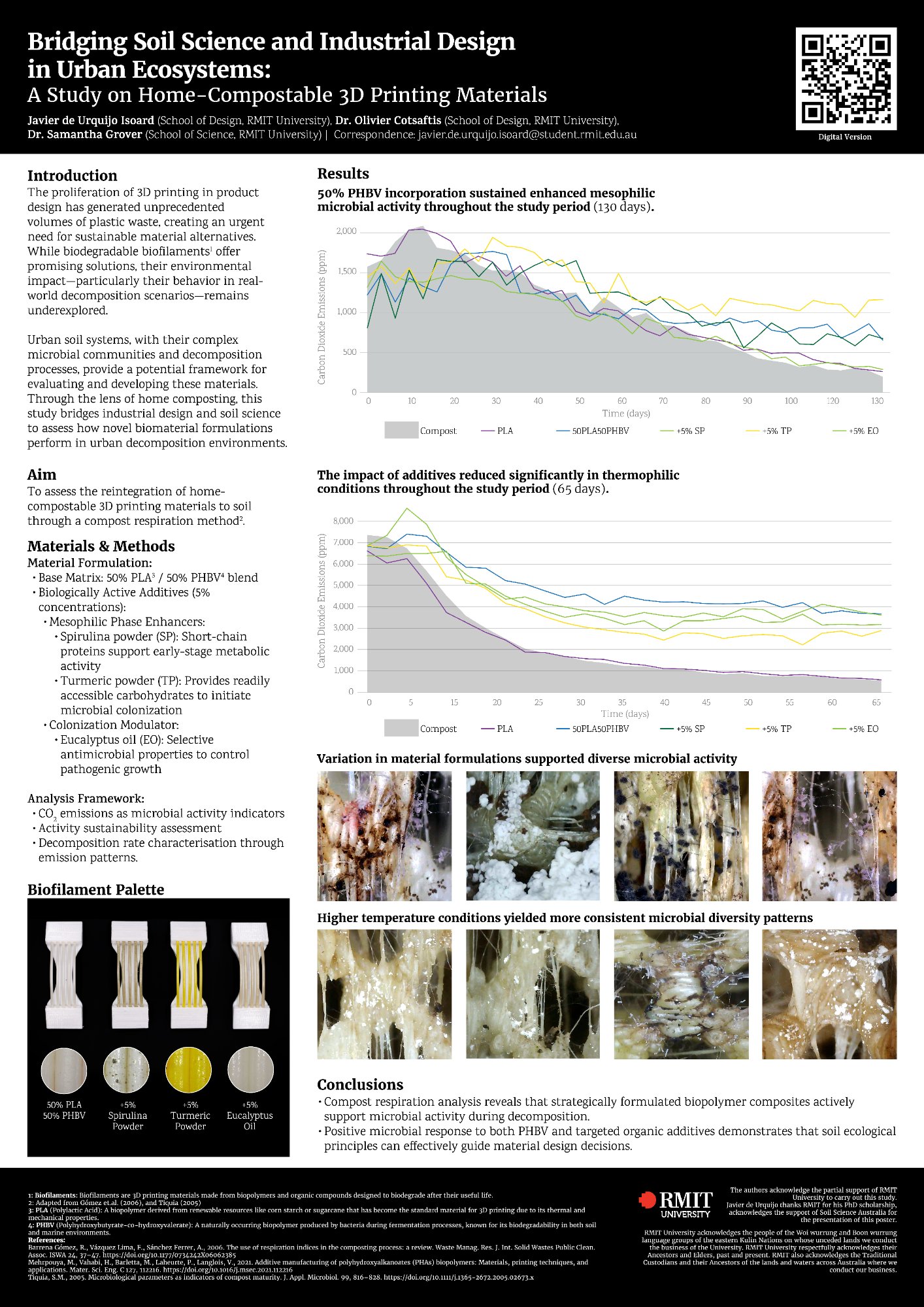
Assesses the reintegration of home-compostable 3D printing materials into soil through compost respiration analysis. 50% PHBV incorporation sustained enhanced mesophilic microbial activity over 130 days. Bioactive additives — spirulina, turmeric, and eucalyptus oil — supported distinct microbial communities, demonstrating that strategic material formulation can guide ecological integration in urban composting environments.
Making-with Biomaterials: Attuning to More-than-Human Temporalities in Growth and Decay Practices
Examines making-with biomaterials as a practice of attunement to more-than-human temporalities — the slow rhythms of growth, decay, and ecological transformation that exceed human design timescales. Draws on practice-based research and collaborative experimentation to argue for a relational, temporally-sensitive approach to biomaterial design practice.
Accepted · In pressDecayability: Care-Based Material Affordances for Ecological Reintegration
A transdisciplinary investigation bridging industrial design, soil science, and critical theory. Develops decayability as a relational, contextual property emerging through interactions between materials, microbes, environment, and human care.
Read the thesis ↗Javier
de Urquijo
Isoard
Industrial Designer · Researcher · Teacher
RMIT University, Melbourne
Javier de Urquijo Isoard is an industrial designer, researcher, and educator working at the intersection of materials, ecology, and making. His practice is grounded in the belief that design has a responsibility to the nonhuman systems it depends on — and that materials can be designed not just for use, but for their afterlife.
His doctoral research at RMIT University developed decayability as a theoretical and practical framework: a care-based material affordance that reframes biodegradability as relational and contextual, emerging through interactions between materials, microbes, environment, and human care.
Alongside his research, Javier teaches in the industrial design school at RMIT and has collaborated on exhibition work shown at the NGV Triennial, NGV Australia, and Melbourne Design Week. He brings to his practice a transdisciplinary sensibility informed by Gibson's affordance theory, care ethics (Tronto, Puig de la Bellacasa), and more-than-human design theory (Haraway, Ingold, Barad).
Thesis: Decayability: Care-Based Material Affordances for Ecological Reintegration. Transdisciplinary methodology bridging industrial design, soil science, and critical theory.
Major project: ROVR — a citizen-science robot designed to trace, count, and collect microplastics from the ocean surface.
Wrote and led the studio syllabus, structured around multiple methods of material-driven design. Students explore biomateriality both as a way of introducing alternative materials into industrial processes, and as a tool for identifying properties in existing materials that best suit their future design applications.
See students' work ↗Research and deployment of public engagement design for RMIT's Carbon Dioxide Removal Network — communicating the science, practice, and urgency of carbon dioxide removal to broad audiences.
CO2 Removal Network ↗Prototyping 2 — materiality and automated manufacturing methods.
Design for Sustainable Systems and Innovations — design interventions within system networks.
Industrial Design at RMIT ↗Design Process and Communication — graphic and communication design tutorials for students completing their masters in industrial design.
MDIT at RMIT ↗Research and production assistance across multiple projects: Sampling the Future (NGV Australia, with Dr. Pirjo Haikola), Urchin Corals (NGV Triennial, with Dr. Pirjo Haikola), Biopackaging (with Dr. Olivier Cotsaftis), and a biomaterial palette project for coral nurseries.
An exhibition exploring rot as material practice and design condition.
Bridging soil science and industrial design in the context of urban ecosystems.
Material objects facilitating multispecies enquiry and bringing nonhuman actors into design processes.